Voice Actor
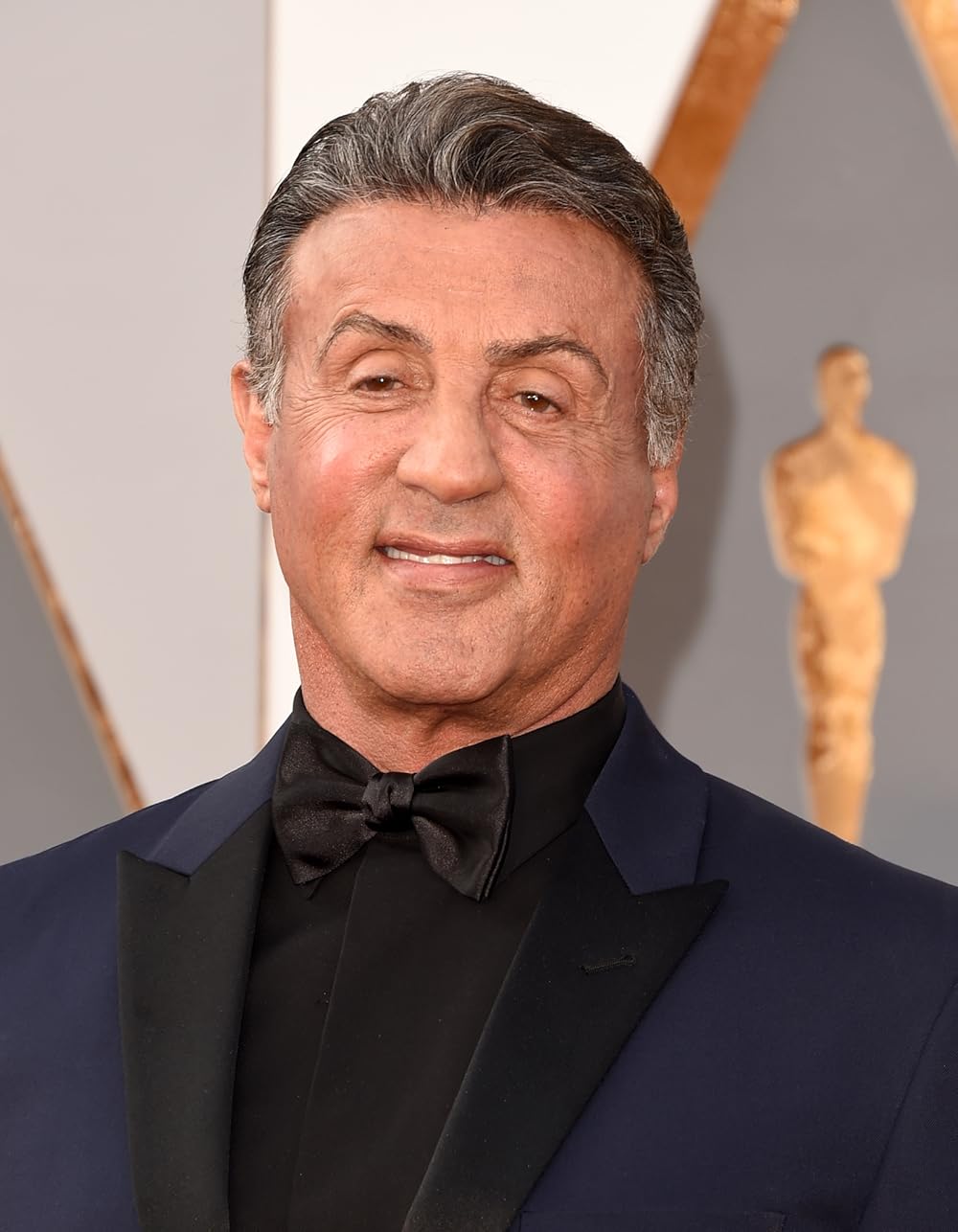
Sylvester Stallone
A determined underdog with a dream of glory crafts his own destiny through raw talent and relentless perseverance, rising from obscurity to become a global cinematic icon.
- Born July 6
- New York City, New York, USA
- Also:
- Actor
- Producer
- Writer
Biography
Sylvester Stallone is an athletically built, dark-haired American actor, screenwriter, director, and producer. For over 40 years, movie fans worldwide have flocked to see Stallone's films, making him one of Hollywood's biggest box office draws. He was born on July 6, 1946, in Hell's Kitchen, New York City, to Jackie Stallone (née Labofish), an astrologer, and Frank Stallone, a beautician and hairdresser. His father was an Italian immigrant, and his mother's heritage is half French (from Brittany) and half German. Stallone attended the American College of Switzerland and the University of Miami, eventually earning a B.A. degree. He began his acting career with small roles in films such as the soft-core The Party at Kitty and Stud's (1970), the thriller Klute (1971), and the comedy Bananas (1971). He received a crucial career break alongside fellow young actor Henry Winkler in the teen gang film The Lords of Flatbush (1974). Further film and television roles followed, most in uninspiring productions, except for the opportunity to play a megalomaniac, bloodthirsty race driver named "Machine Gun Joe Viterbo" in the Roger Corman-produced Death Race 2000 (1975). Stallone was also keen to be recognized as a screenwriter, not just an actor. Inspired by the 1975 Muhammad Ali-Chuck Wepner fight in Cleveland, he wrote a film script about a nobody fighter given the "million to one opportunity" to challenge for the heavyweight title. Rocky (1976) became a cinematic legend, scoring ten Academy Award nominations, winning the Best Picture Award of 1976, and triggering one of the most financially successful movie series in history. While full credit is due to Stallone, he was supported by strong performances from fellow cast members Talia Shire, Burgess Meredith, and Burt Young, and director John G. Avildsen gave the film an emotive, earthy appeal. Stallone had truly arrived on his terms, and offers poured in from various studios eager to secure Hollywood's hottest new star.
Stallone followed Rocky (1976) with F.I.S.T. (1978), loosely based on the life of Teamsters boss "Jimmy Hoffa," and Paradise Alley (1978) before returning to boxing in the sequel Rocky II (1979). The second outing for the "Italian Stallion" wasn't as powerful or successful as the first "Rocky," but it still produced strong box office. Subsequent films Nighthawks (1981) and Victory (1981) failed to ignite with audiences, so Stallone returned to familiar territory with Rocky III (1982), featuring a fearsome opponent in "Clubber Lang," played by muscular ex-bodyguard Mr. T. The third "Rocky" installment far outperformed the first sequel in box office takings, but Stallone retired his prizefighter for a couple of years as another series was about to commence. The character of Green Beret "John Rambo" was the creation of Canadian-born writer David Morrell, and his novel was adapted to the screen with Stallone in the lead role in First Blood (1982), also starring Richard Crenna and Brian Dennehy. The movie was a surprise hit that polarized audiences because of its commentary about the Vietnam War, still fresh in the American public's psyche. Political viewpoints aside, the film was a worldwide smash, and a sequel soon followed with Rambo: First Blood Part II (1985), which drew even stronger criticism from several quarters owing to the film's plot line about American MIAs allegedly being held in Vietnam. However, the film was a major money spinner for Stallone and cemented him as one of the top male stars of the 1980s. Riding a wave of popularity, Stallone returned with Rocky Balboa to defend American pride against a Soviet threat in the form of a towering Russian boxer named "Ivan Drago," played by Dolph Lundgren in Rocky IV (1985). The fourth outing was somewhat controversial with "Rocky" fans, as violence levels seemed excessive compared to previous "Rocky" films, especially with the savage beating suffered by Apollo Creed, played by Carl Weathers.
Stallone continued with a slew of macho character-themed films that met with mixed reception from his fans. Cobra (1986) was a clumsy mess, Over the Top (1987) was equally mediocre, Rambo III (1988) saw Rambo take on the Russians in Afghanistan, and cop buddy film Tango & Cash (1989) just did not quite hit the mark, although it did feature a top-notch cast and there was chemistry between Stallone and co-star Kurt Russell. Philadelphia's favorite mythical boxer moved out of the shadows for his fifth screen outing in Rocky V (1990), tackling Tommy "Machine" Gunn played by real-life heavyweight fighter Tommy Morrison, the great-nephew of screen legend John Wayne. Stallone quickly followed with the lukewarm comedy Oscar (1991), the unfunny Stop! Or My Mom Will Shoot (1992), the futuristic action film Demolition Man (1993), and the comic book-inspired Judge Dredd (1995). Interestingly, Stallone then took a departure from the gung-ho steely characters he had been portraying to stack on a few extra pounds and tackle a more dramatically challenging role in the intriguing Cop Land (1997), also
Family & relationships
- Spouse
- Parents
- Children
- Other
- Toni D'Alto([imdb:nm0195026])
Filmography · 1 of 1
Other crew
1 credit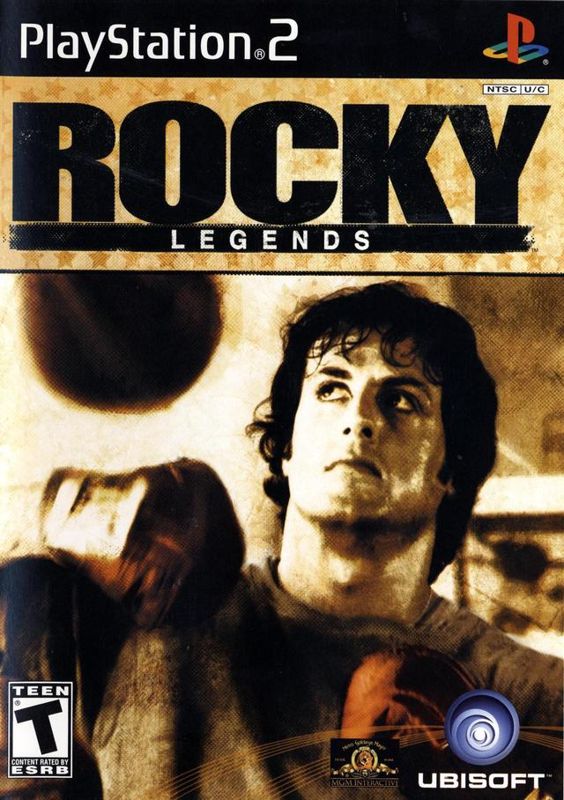
Related News
Edit history
Loading edit history…
Comments (0)
on Sylvester StalloneNo comments yet. Be the first to share what you think.