Producer
Keiji Inafune
The illustrator who helped give Mega Man his blue armor and Capcom a run of hits, then staked his name on a fraught bid for independence (1965-).
- Also:
- Animation Department
- Writer
Biography
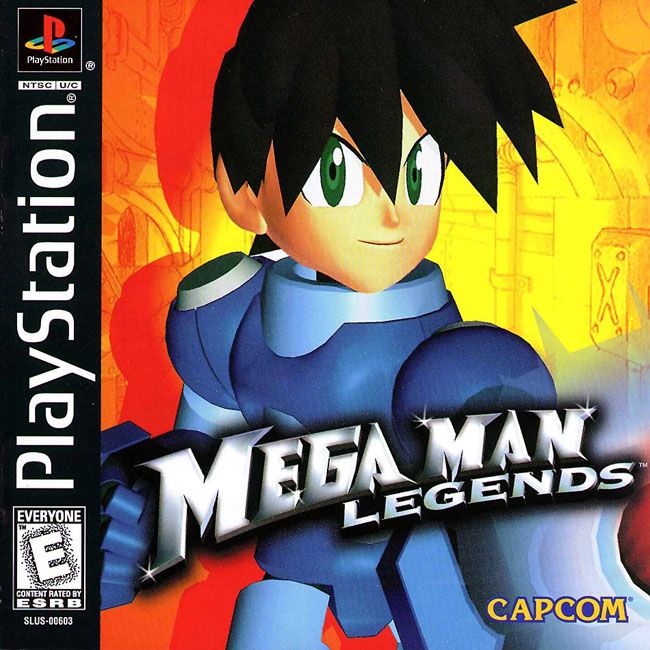
Keiji Inafune spent his most productive years as one of Capcom's key creative engines, an artist-turned-executive whose fingerprints are on several of the company's signature franchises. Born in 1965, he joined Capcom as an illustrator and character designer, and made his first major mark contributing artwork and design to the original Mega Man in 1987, refining the look of the boyish blue robot who became one of the era's enduring icons.
Inafune grew into a prolific developer and producer across the Mega Man series and its spin-offs, most notably the sleeker, more action-driven Mega Man X line, helping steer a franchise that defined precise, pattern-based platforming for a generation. His remit widened over the years to include some of Capcom's most important modern properties: he was a driving producer on the samurai-horror Onimusha, the zombie-mall sandbox Dead Rising, and the sci-fi shooter Lost Planet, becoming one of the company's most visible spokesmen in the process.
Outspoken and frequently critical of what he saw as complacency in the Japanese industry, Inafune left Capcom in 2010 to strike out on his own, founding the studio Comcept. His independence became a cause celebre when he launched a crowdfunding campaign for Mighty No. 9, a spiritual successor to Mega Man that raised a large sum from fans hungry for his classic style. Its troubled development and mixed reception in 2016 became a cautionary tale about the gap between nostalgic promise and delivery, and a difficult chapter in his career.
Inafune's legacy is genuinely debated, including the precise extent of his authorship over Mega Man, a franchise built by many hands, and his role has sometimes been contested by former colleagues. What is not in dispute is his influence as a producer, a public advocate, and a shaper of beloved games. He remains a significant, complicated figure: an artist who helped define an icon, a manager who guided major franchises, and a symbol of both the promise and the peril of chasing creative freedom outside a giant.
Filmography · 8 of 8
Producer
6 credits
Other crew
2 credits

Edit history
Loading edit history…
Comments (0)
on Keiji InafuneNo comments yet. Be the first to share what you think.